Why React is Still Your Best Career Bet

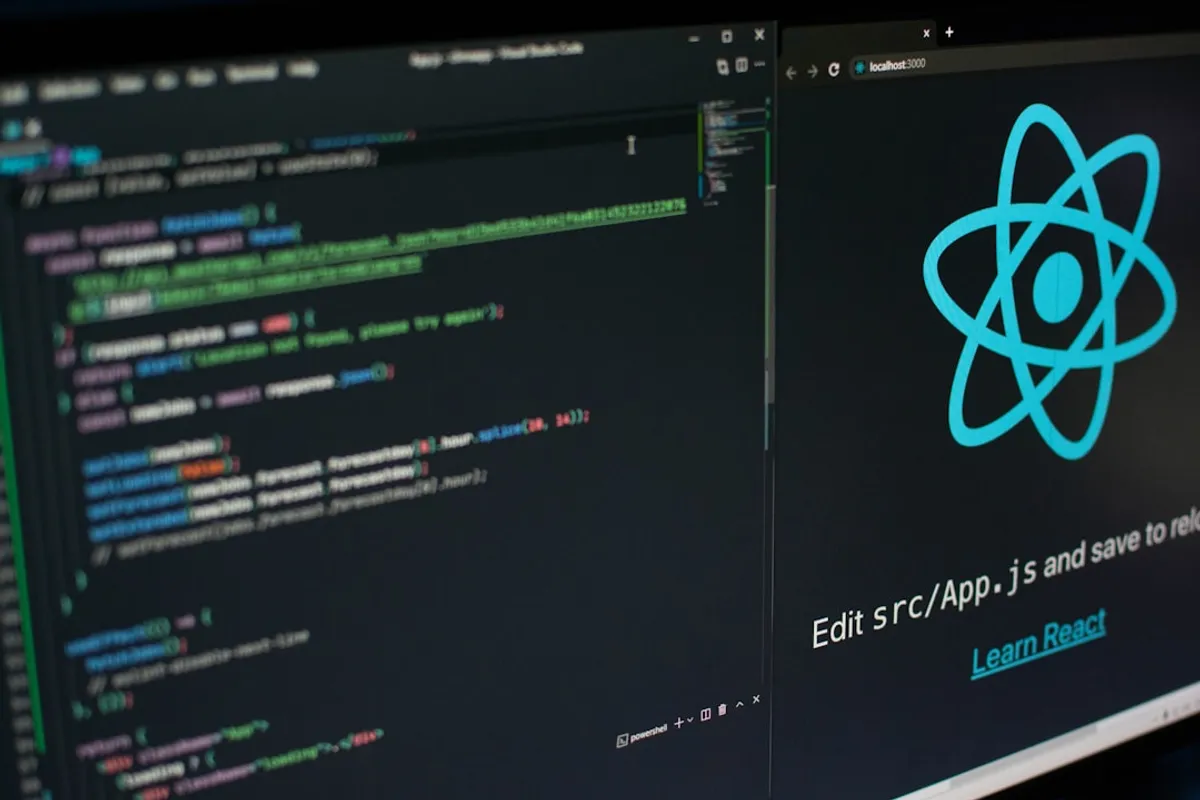
React: Still the King for Developers?
Let’s cut to the chase. The frontend world moves fast, and it’s easy to get caught up in the latest shiny new framework or library. But if you’re a developer looking to make a solid career investment, focusing on React is still one of the smartest things you can do. It’s not just hype; it’s a deliberate choice backed by solid reasons.
The Job Market Doesn’t Lie
This is the most straightforward reason. Just look at job boards. Search for “React Developer,” “Frontend Engineer (React),” or any variation. The sheer volume of open positions is staggering. Companies, from tiny startups to massive enterprises, are all looking for React developers. This isn’t a fad that’s dying down; it’s a mature ecosystem that’s deeply integrated into countless businesses.
Why is it so popular? It solves real problems. React’s component-based architecture makes building complex UIs manageable and scalable. Need to build a dashboard with a hundred interactive elements? React handles it gracefully. Need to update a piece of data and have the UI reflect it instantly? React’s declarative nature and virtual DOM make this efficient.
A Strong, Evolving Ecosystem
React isn’t just the core library. It’s backed by a massive, vibrant ecosystem. Think about:
- State Management: Libraries like Redux, Zustand, or Jotai offer powerful solutions for managing application state, catering to different complexity levels.
- Routing: React Router has been the go-to for years, enabling smooth client-side navigation.
- Server-Side Rendering (SSR) / Static Site Generation (SSG): Frameworks like Next.js and Remix have revolutionized how we build performant, SEO-friendly React applications. Next.js, in particular, is a powerhouse that combines React with amazing features for building full-stack applications.
- Styling: From CSS Modules to styled-components and Tailwind CSS, there are flexible ways to style your components.
- Testing: Jest and React Testing Library provide excellent tools for ensuring your components work as expected.
This isn’t an ecosystem that’s stagnant. It’s constantly innovating, adapting, and providing better tools for developers. When you learn React, you’re not just learning one thing; you’re opening the door to a whole suite of powerful tools and patterns.
Developer Experience (DX) Matters
React, at its core, is designed with developers in mind. Its component model is intuitive. Writing JSX feels natural for many, bridging the gap between JavaScript and HTML. The tooling is generally excellent. Hot Module Replacement (HMR) means you see your changes almost instantly without a full page reload, which speeds up the development loop considerably.
Consider a simple button component:
import React from 'react';
function PrimaryButton({ children, onClick}) { return ( <button style={{ backgroundColor: 'blue', color: 'white', padding: '10px 15px', borderRadius: '5px' }} onClick={onClick} > {children} </button> );}
export default PrimaryButton;This simple structure, where a component takes props (children, onClick) and renders a standard HTML element, is the foundation. It’s easy to grasp and build upon. As applications grow, you compose these simple components into more complex ones, making large projects manageable.
Long-Term Viability
Facebook (now Meta) initially created React, and they continue to invest heavily in it. This kind of backing from a major tech company provides a level of stability that smaller, community-driven projects might lack. While new libraries can be exciting, they can also disappear or be acquired. React’s deep roots and continuous development mean it’s likely to be relevant for many years to come.
Furthermore, React’s core principles – declarative UI, component composition, and unidirectional data flow – are fundamental concepts in modern frontend development. Even if you move to a different framework down the line, the patterns you learn with React will still be valuable.
Conclusion
Is React the only good choice? No. But is it still one of the best, most secure, and most rewarding career investments for a frontend developer? Absolutely. The demand is high, the ecosystem is robust and growing, the developer experience is excellent, and its long-term viability is practically guaranteed. If you’re looking to hone your skills and build a strong career in web development, diving deep into React is a decision you won’t regret.